
Quick Recap:
Installing a water leak detector or detection system can make all the difference. Areas like basements, under sinks, behind appliances, and around water heaters are common sources of hidden leaks. Homeowners in Arlington and Northern Virginia are using smart sensor placement to stop problems before they cause serious damage. A strategic setup keeps your home dry and your repair costs down.
Water doesn’t need a big break to cause big problems. A slow drip under the sink or a loose hose in the laundry room can lead to expensive repairs, and often, you won’t see it until it’s too late.
That’s why a water leak detection system works best when placed with intention. Homeowners across Arlington and Northern Virginia are protecting their homes by putting sensors where water problems are most likely to start, not where damage ends up.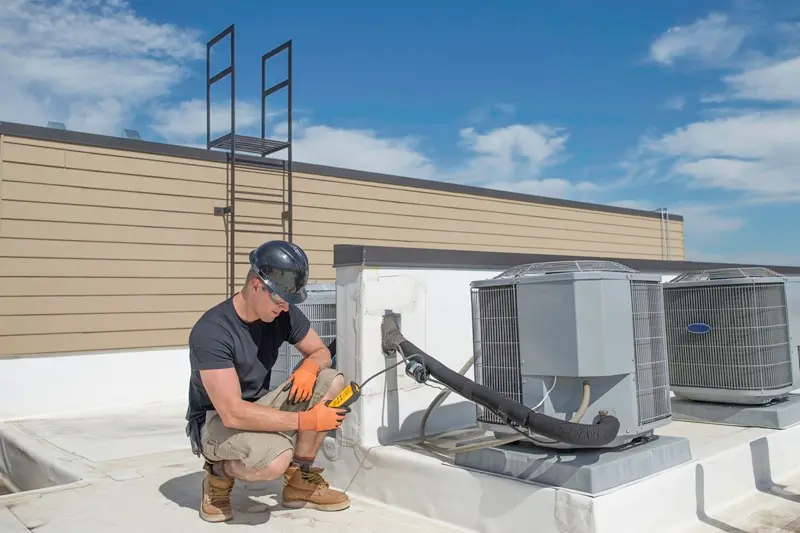
Most Common Places Where Leaks Start
To get the most out of any leak detection system, you have to start where water problems are most likely to begin. These are the top spots in Arlington and Northern Virginia homes where small leaks often turn into big repairs.
Under Kitchen & Bathroom Sinks
Cabinets under sinks are some of the most overlooked areas in the house. A slow drip from a loose connection, worn seal, or cracked hose can go unnoticed for weeks, soaking wood and attracting mold.
Leak detectors here are simple to place and provide early warning before flooring or cabinetry is ruined.
Behind Appliances With Water Lines
Washing machines, dishwashers, and refrigerators with ice makers are major culprits when it comes to hidden leaks. A burst hose or faulty connection can flood a room in minutes, especially if no one is home.
Placing a water leak detector behind or just beside these appliances offers extra protection, even in tight spaces.
Around Water Heaters & HVAC Units
Water heaters are under constant pressure and wear out over time. If the tank starts leaking or a valve fails, it usually starts small before letting loose.
HVAC systems with condensate lines can also drip silently into basements or closets. Both are ideal spots for water sensors, especially in finished spaces where flooring and drywall are at risk.
Knowing where to place your leak detectors starts with knowing where leaks happen. These high-risk zones are where early alerts can save you thousands in damage and days of cleanup.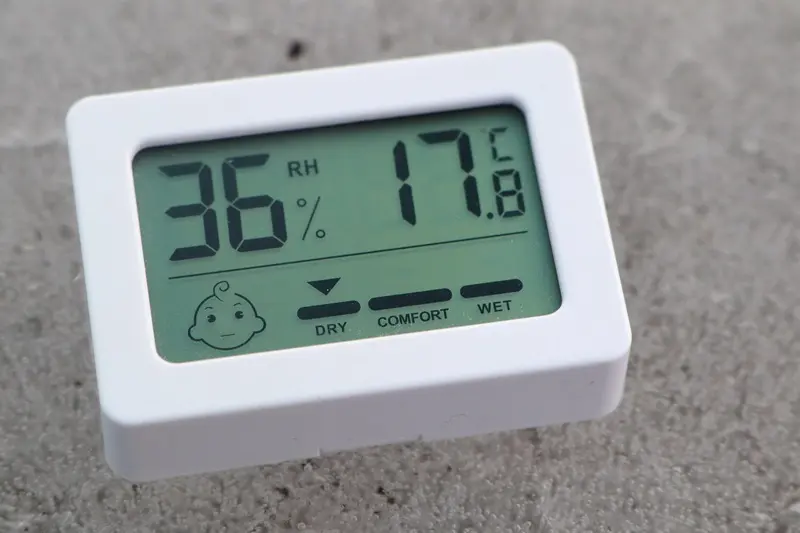
How To Prioritize Detector Placement In Larger Homes
Larger homes come with more square footage and more plumbing lines to monitor. When you can’t cover every inch with sensors, knowing where to start can make all the difference in preventing damage.
1. Start With High-Traffic Utility Areas
Begin with your kitchen, laundry room, and bathrooms. These spaces see daily water use and are the most common sources of drips, leaks, and flooding. These rooms are where sensors offer the best return, because they catch the most frequent issues.
2. Cover Hidden Or Out-Of-Sight Locations
Basements, crawl spaces, and mechanical closets are easy to forget, but that’s where leaks can grow unnoticed. Place sensors near sump pumps, water heaters, and HVAC condensate lines. In homes with finished basements, this step is even more important.
3. Think About Second-Floor Risks
A leak upstairs doesn’t stay upstairs. Sensors under second-story bathrooms or laundry rooms prevent cascading damage through ceilings and walls below. If the upper floor has tile or wood flooring, early alerts are even more valuable.
4. Expand Coverage With Smart Hubs
If your system allows it, connect sensors to a central smart hub. That way, you can monitor alerts in real time, even if you’re not home. Wi-Fi-enabled systems give Arlington homeowners more flexibility and peace of mind.
5. Plan For Future Zones
You don’t have to cover the entire house at once. Start with the riskiest areas and add more sensors over time. Many systems are designed to scale with your home and budget.
Smart leak protection starts with strategy, not square footage. In larger homes across Northern Virginia, placing sensors where damage hits hardest can stop a disaster before it starts.
Comparing Smart Leak Detector Features By Location
Not all leak detectors are the same, and not every feature matters in every room. When you’re planning sensor placement in your Arlington or Northern Virginia home, matching the right features to the right locations gives you the best results.
| Location | Recommended Features | Why It Matters |
| Kitchen & Bathroom Sinks | Small sensor footprint, fast detection, mobile alerts. | Cabinets are tight spaces; early warning helps avoid swelling, mold, or warped wood. |
| Laundry Room | Drip detection, auto shut-off capability. | Washing machine leaks can flood fast; an automatic shutoff can prevent major damage. |
| Water Heater Area | Temperature monitoring, puddle detection. | Helps catch slow leaks or full tank failure early, especially in enclosed closets. |
| HVAC Closet/Basement | High humidity tolerance, long battery life. | Units may sweat or drip slowly; durable sensors work better in moist environments. |
| Under Appliances | Slim design, tilt detection. | Some appliances shift slightly; tilt + water sensing catches more subtle issues. |
| Second-Floor Bathrooms | Wireless connectivity, linked alerts with downstairs units. | Water moves down; getting an alert before it hits lower levels saves big on repairs. |
Not every sensor needs all the bells and whistles. But when placed correctly, features like temperature alerts or auto shutoff valves add real value, especially in areas where response time makes all the difference.
Choosing the right sensor for the right room protects your home smarter, not harder. It’s not just about detecting leaks, it’s about reacting fast, before damage spreads.
Lesser-Known Spots That Still Deserve A Sensor
Beyond the usual suspects like kitchens and laundry rooms, there are other areas of your home that benefit from leak detection. These quiet corners can become expensive headaches if water goes unnoticed for too long.
Underneath Wet Bars Or Mini-Fridges
Home bars and beverage coolers often have small water lines for ice makers or sinks. These connections are easy to overlook, especially when tucked under countertops or in tight cabinetry.
Installing a low-profile sensor in these areas can catch leaks early, before they damage custom cabinets or surrounding flooring.
Near Indoor Plant Setups Or Utility Sinks
Indoor plant areas often have nearby plumbing, drainage trays, or overflow risk from overwatering. Utility sinks in garages or laundry rooms can also drip or splash unnoticed.
Sensors in these spaces can alert you before moisture builds up behind walls or seeps into flooring.
Inside Garage Walls With Hose Bibs Or Water Softeners
In many Arlington homes, garages house exterior water connections or water softener units. These lines can crack in winter or wear out over time. Placing a sensor near these fixtures helps monitor high-risk areas where water might sit for weeks before being spotted.
Leaks don’t always happen in the spotlight. These less obvious locations deserve attention too, especially in homes with extra features, large footprints, or older plumbing lines.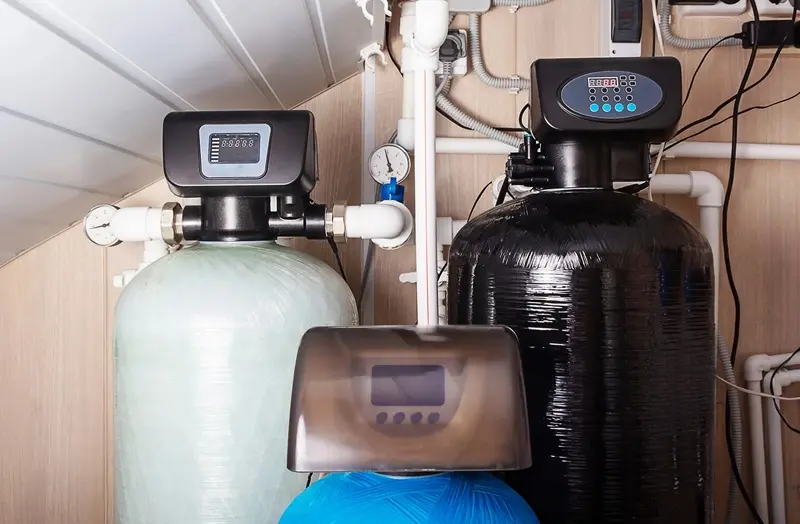
When To Install A Detector During Renovation Or Repairs
Renovations are the perfect time to think about leak protection. Whether you’re remodeling a bathroom or replacing an appliance, here’s when and where to add leak detectors while everything’s already opened up.
During Bathroom Or Kitchen Remodels
If you’re updating fixtures, plumbing, or flooring in a wet area, it’s the ideal time to place sensors beneath vanities, near drains, or beside water lines. With cabinetry and walls exposed, you can run wires or install shut-off valves more easily.
It’s also easier to test the system right away, before sealing everything back up.
When Replacing Appliances Or Water Heaters
Installing a new washer, dishwasher, or water heater? That’s a great time to drop a sensor into place. You already have the appliance pulled out, and you’ll likely be checking for leaks anyway after install.
Some systems even allow auto shutoff integration for added peace of mind.
After Repairing A Previous Leak
If you’ve had a leak before, especially in the same location, it’s worth placing a detector nearby. It’s a simple way to protect yourself from a repeat issue and shows that you’re taking steps to avoid future damage.
Many homeowners in Arlington and Northern Virginia are now adding detectors as part of their restoration process, not just during upgrades.
You don’t have to wait for a flood to get smart about leaks. Renovation time is the right time to add lasting protection.
Let Smart Technology Do The Watching For You
You can’t be everywhere at once, but your water leak detection system can. Placing sensors in the right spots gives your home round-the-clock protection, whether you’re asleep, at work, or away for the weekend.
At Heiston Group, we help homeowners in Arlington VA, and across Northern Virginia install smart, effective leak detection systems tailored to their home’s layout. Our goal is to stop damage before it starts, quietly, efficiently, and without disrupting your routine.
If you’re ready to protect your home from hidden leaks, let’s talk. Heiston Group can help you find the right setup, install it with care, and give you confidence that your home is in good hands.