
Overview:
Deck drainage isn’t just a technical detail; it’s essential to long-term safety and durability. In Arlington and across Northern Virginia, seasonal weather puts pressure on outdoor structures. The right slope keeps water moving away from your home, while smart materials reduce moisture retention. You must know about the layout, build-out, and which products actually last.
In Northern Virginia’s unpredictable climate, a deck without proper drainage is a ticking time bomb. Water buildup may seem minor at first, but over time, it warps boards, invites rot, and can even lead to foundation issues.
That’s why planning drainage from the start is a must, not a maybe. So understanding slope, material choice, and construction strategy can protect your investment for the long haul. An expert deck builder can provide all these, giving you peace of mind and confidence.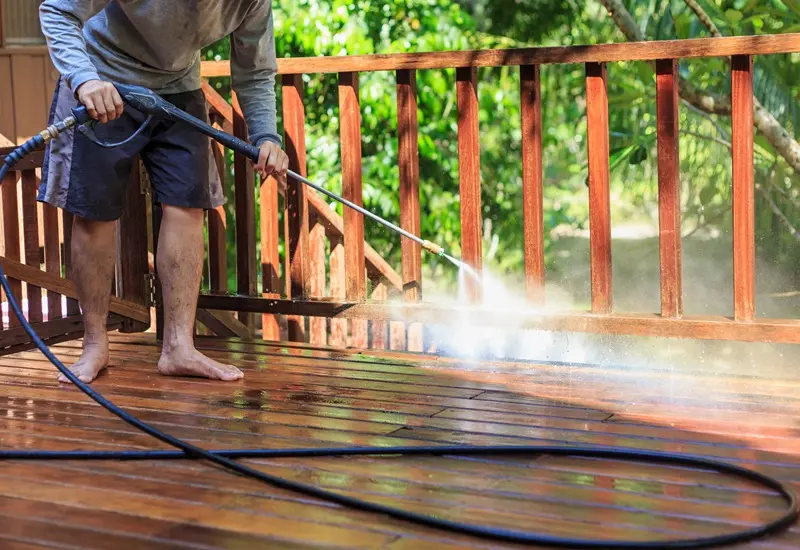
Choosing Deck Materials That Handle Moisture Best
Material choice doesn’t just affect how your deck looks; it directly impacts how well it resists water damage. Some materials hold moisture longer, leading to rot or mold. Others repel it but may require specific installation methods to keep drainage working correctly.
Here’s the breakdown of common deck surface options in Arlington-area homes. Know how they perform when it comes to drainage and durability.
Decking Material Comparison Table
| Material | Water Resistance | Maintenance Needs | Estimated Lifespan | Price (per sq ft) | Drainage Consideration |
| Pressure-treated wood | Moderate | Annual sealing/staining | 10–15 years | $3–$6 | Requires precise slope & good ventilation. |
| Cedar/Redwood | Better than PT wood | Seasonal sealing | 15–20 years | $6–$10 | Naturally resists moisture but still needs runoff planning. |
| Composite (e.g., Trex) | High | Low | 25–30 years | $7–$12 | Water-resistant but benefits from under-deck drainage. |
| PVC Decking | Excellent | Minimal | 30+ years | $10–$14 | Performs well even with a minimal slope. |
| Aluminum | Excellent | Virtually none | 40+ years | $12–$15 | Built-in drainage channels are available in many products. |
What Works Best In Arlington’s Climate?
In Northern Virginia, where humidity and rainfall are constant challenges, composite and PVC decking tend to offer the best long-term value. They resist water absorption, are easy to maintain, and pair well with under-deck drainage systems.
That said, pressure-treated wood is still a go-to for many homeowners due to its affordability. If you choose wood, your drainage planning must be spot-on, including a proper slope and space between boards to allow runoff and drying.
Don’t Forget What’s Underneath
Drainage isn’t just about surface material. What’s under the deck matters just as much. Materials like PVC and aluminum often include integrated under-deck drainage, directing water to a gutter or collection system. They are great for Arlington homes with walkout basements or patios below.
No matter how high-end your decking boards are, they can’t protect your home without a solid drainage plan underneath. In Arlington and across Northern Virginia, where wet weather is a given, it’s not just about what your deck is made of. It’s about how these materials are built to manage water.
Smart material choices paired with thoughtful slope and structure give your deck the best shot at a long, low-maintenance life. Next up, we’ll get into the construction side, spacing, build-out strategy, and what separates a solid structure from a soggy one.
Build-Out Strategy Framing, Spacing, & Water Flow
Even with the right slope and top decking material, a deck’s performance against water depends heavily on what’s underneath. The framing, joist spacing, and even the fasteners all play a role in whether water drains cleanly or gets trapped, leading to hidden damage.
Here’s how to plan a deck structure that encourages healthy drainage from the ground up.
1. Frame With Ventilation In Mind
Too many decks in Arlington are built with zero airflow beneath. That trapped moisture under the deck accelerates rot and mold, especially on wooden frames. Whether your deck is ground-level or elevated, framing should include at least 18 inches of vertical clearance to allow airflow underneath.
If your deck is close to the ground, consider switching from traditional lumber to rot-resistant composite framing or even steel, which handles moisture exposure better.
2. Use Joist Spacing That Matches Your Material
Joist spacing affects both surface performance and drainage. If boards sag or shift, water starts to pool.
- Wood decking: Typically 16″ on center.
- Composite decking: Can vary; often 12″ on center for better rigidity.
- PVC or aluminum: Often fine at 16″ but always follow manufacturer specs.
Tighter spacing reduces flex and ensures consistent runoff, especially with the heavier rain common in Northern Virginia.
3. Install Boards With Gap Spacing
Deck boards should never be installed flush. Always leave 1/8″ to 3/16″ between boards to allow water to escape and promote drying. That small gap is your first line of defense against water pooling and mildew growth.
It also matters in freeze-thaw cycles, which Arlington sees plenty of in winter. Water that’s trapped and then freezes expands between boards, leading to warping and popped fasteners.
4. Consider Under-Deck Drainage Systems
If you’re building a two-story deck or adding usable space below, drainage becomes even more important. Systems like Trex RainEscape or Zip-Up create a dry area underneath by capturing runoff and channeling it to gutters.
This option can turn a muddy lower level into a finished patio or storage area, something many Arlington homeowners appreciate in smaller yards.
5. Choose The Right Fasteners & Flashing
Don’t overlook the hardware. Use corrosion-resistant screws or hidden fasteners rated for outdoor use. Improper fasteners rust over time, stain the boards, and weaken the deck structure.
Install flashing where the deck attaches to your home. This prevents water from seeping into the house framing, one of the most common causes of rot behind the ledger board.
Drainage is baked into the bones of a deck, not just something that happens at the surface. Whether it’s a compact build or a large walkout design, every part of the structure must work to keep water moving and air circulating.
Done right, the frame itself becomes a tool that protects the entire space year after year.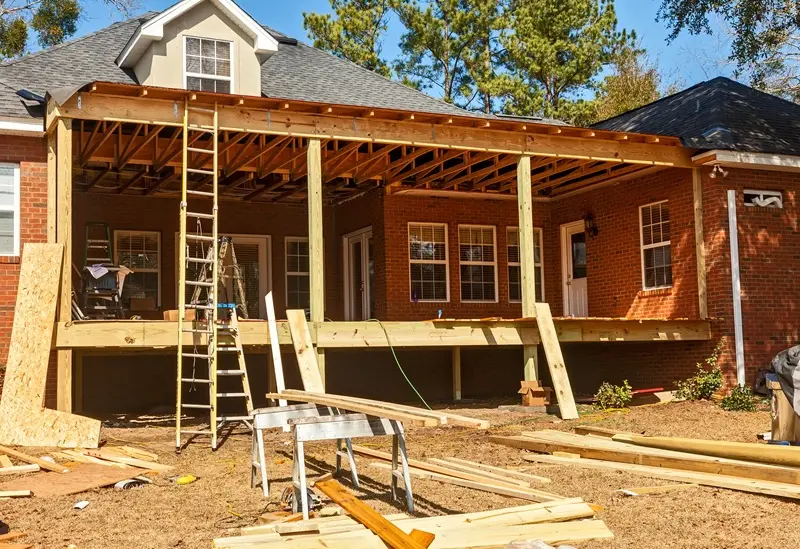
What Other Deck Builders Miss In Drainage Design
Even well-built decks can fall short if the drainage strategy isn’t thought through from every angle. Many builders focus on getting the structure solid and the finish beautiful, but overlook small details that can quietly lead to water damage over time.
Here’s where things often go wrong, even on new decks in Arlington and throughout Northern Virginia.
Ignoring Where Water Ends Up
It’s not enough to shed water off the deck surface where that runoff goes matters just as much.
- Downspouts that dump near the foundation can lead to long-term damage to your home.
- Drainage that empties onto walkways or patios creates slip hazards and ice patches in winter.
- Lack of grading or swales leaves water pooling around the posts or steps.
Good drainage design means not only controlling water, but guiding it safely away from anything it can harm.
Forgetting About Freeze-Thaw Stress
In Northern Virginia’s colder months, moisture that lingers in seams or under deck boards will freeze, expand, and break apart materials. Skipping slope or failing to install proper gaps between boards sets the stage for warping, cracked flashing, popped fasteners, and stains from rusting hardware.
A half-inch puddle in October can become a buckled deck by February.
Missing Long-Term Maintenance Planning
Decks aren’t “set it and forget it” projects; even the best drainage system needs occasional upkeep. A good builder will design with that in mind:
- Easy access to gutters or drainage channels.
- Replaceable panels or access hatches below two-story decks.
- Fasteners and flashing that can be serviced without pulling up boards.
If your current builder can’t answer how your deck handles heavy rain or winter thaw, it’s time to ask more questions.
Even the best materials and craftsmanship won’t hold up if water is allowed to linger, collect, or flow in the wrong direction. Drainage mistakes don’t always show up right away, but when they do, they’re costly.
That’s why it pays to work with a team that understands how every nail, board, and slope works together to protect your deck for the long run.
Why Drainage Design Deserves More Than a Quick Sketch
Many decks look great on day one, until the first rainy season exposes what wasn’t planned properly. Drainage is one of the most overlooked elements during deck construction. Yet it has some of the biggest long-term consequences.
Without clear runoff paths, even a well-built deck can suffer from rot, warped boards, slick surfaces, or damage to your home’s foundation. That’s where the right builder makes all the difference.
At Heiston Group, your expert deck builder, our design handles real-world weather, not just passes inspection. Every project in Arlington and Northern Virginia gets tailored drainage planning from the start, using materials and methods that hold up season after season.
Whether you’re adding a new outdoor space or solving issues with an existing one, our team takes the time to do it right. No guesswork, no shortcuts, just lasting results built for your home and climate.