
Key Points:
Even small deck damage or issues, like soft spots, loose railings, or fading stain, can lead to big repairs if ignored. Spotting signs of damage early gives Northern Virginia homeowners a chance to repair and protect their outdoor spaces without starting from scratch. From seasonal inspections to surface repairs, knowing what to look for is key.
Decks take a beating. Rain, sun, and foot traffic all wear down even the strongest materials over time. And the longer you wait to repair small issues, the more expensive they become.
In Arlington and across Northern Virginia, homeowners are learning that regular checks can add years to their deck’s life. The key is knowing what to look for and fixing problems while they’re still small.
Common Signs Your Deck Needs Attention
A simple walkaround can tell you a lot, if you know what to look for. These are some of the most common red flags homeowners in Northern Virginia should check for.
Soft Or Spongy Boards
Step carefully across your deck and feel for soft spots. If a board gives slightly under your weight or feels spongy, it could be rotting underneath the surface.
This is common in shaded or damp areas where moisture doesn’t evaporate quickly, especially near planters or under patio furniture.
Loose Railings Or Wobbly Posts
Test every railing and support post by giving it a firm shake. If anything wobbles, rocks, or shifts under pressure, it’s time for reinforcement or replacement.
Loose posts can lead to safety hazards, especially on elevated decks in Arlington’s hilly neighborhoods or split-level homes.
Faded, Flaking, Or Peeling Finish
If your stain or paint is starting to peel, it’s not just about looks; it’s about protection. The finish is your deck’s first defense against sun, rain, and snow. Without it, moisture will creep into the wood and start the slow process of splitting, swelling, or rot.
These problems may seem minor, but they don’t stay that way for long. A quick check every season helps Northern Virginia homeowners catch trouble before it spreads, and save on major repairs later.
How To Prioritize Deck Repairs Without Replacing Everything
You don’t need to tear down your whole deck just because a few boards are rotting or the railing feels loose. Most of the time, targeted repairs can keep your deck safe and functional for years to come. Here’s how to prioritize what needs attention first.
1. Start With Structural Repairs
If anything affects the deck’s frame, footings, or load-bearing posts, move it to the top of your list. Wobbly supports or loose beams can create serious safety issues, especially on raised decks or second-story platforms.
Check under the deck with a flashlight for sagging joists, rusted connectors, or moisture damage where beams meet the house.
2. Replace Damaged Surface Boards
Warped or cracked deck boards can trip guests, splinter bare feet, or let water seep into the framing below. If the damage is localized, you can replace just a few boards without disturbing the rest of the deck.
Use matching lumber or composite materials for consistency and secure them with weather-resistant fasteners.
3. Tighten Railings & Stairs
Railings that wiggle or stair treads that creak may only need a few screws or brackets, but ignoring them is risky. Loose rails are among the most common code violations and can quickly become safety hazards in busy households or rental properties.
4. Refresh The Finish
If the wood is still in good shape but the stain or sealant is wearing thin, now’s the time to sand, clean, and reapply. A solid finish repels water, blocks UV rays, and gives your deck a clean, polished look.
Repair work is often simpler and more cost-effective than replacement. For Arlington-area homeowners, focusing on structure, safety, and surface can buy you several more seasons of deck use without a full rebuild.
DIY Vs. Pro Repairs For Outdoor Decks
Not every deck repair needs a contractor, but not every job is meant for a weekend project either. Here’s how DIY fixes compare to professional repairs, so you can decide what’s worth tackling on your own and what’s better left to the pros.
| Repair Task | DIY Approach | Pro Repair |
| Replacing Deck Boards | Possible if you match the wood type and use proper fasteners. | Faster, better alignment often includes sanding and sealing. |
| Tightening Railings | Simple with basic tools and brackets. | Ensures code compliance, long-term stability. |
| Fixing Loose Stairs | Can be done if you’re comfortable working with supports. | Safer results often include inspection of the full stair structure. |
| Staining & Sealing | Great for DIY if you follow weather guidelines. | More even finish, proper prep, and curing. |
| Structural Repairs | Risky, often hard to assess full damage. | Stronger, safer, and often required for elevated decks. |
| Replacing Joists Or Footings | Not recommended, requires expertise and permits. | Done to code, with load-bearing safety in mind. |
Some deck repairs (like finish work or board swaps) are perfect for homeowners with a little experience and time. But for structural issues or anything related to safety, hiring a professional is the better choice.
The right fix isn’t always about skill; it’s about knowing when to call in help. If a repair affects your deck’s structure, permits, or long-term safety, it’s worth investing in a pro. An expert deck builder to do your repairs can make a difference in quality and longevity.
What Deck Inspections Should Include
Whether you’re doing it yourself or hiring a contractor, a good deck inspection should go beyond surface-level checks. Here’s what homeowners in Northern Virginia should expect from a thorough review.
Check The Frame & Footings
Start underneath. A solid deck relies on a strong substructure. Look for signs of sagging, rot near the ground, or shifting footings, especially after heavy rains or snowy winters.
Inspect where beams connect to the house, and confirm that all fasteners are intact and rust-free. This is especially important for older Arlington homes with aging supports.
Examine Rails, Stairs, & Guardrails
Railings and stairs see daily wear and can become loose without warning. Walk every step and tug on railings to test their stability. If anything shifts or creaks, it may be time for reinforcement or replacement.
Also, ensure railings meet local height and spacing codes, especially if your deck is raised more than 30 inches off the ground.
Evaluate Surface Boards & Finish
Look for soft boards, splinters, or raised nails. Walk the entire surface barefoot if safe; this helps you feel problems that aren’t always easy to see. If your finish is fading, cracking, or peeling, moisture is already getting in. That’s your cue to clean, sand, and reseal before damage spreads.
Regular deck inspections keep small issues from becoming major ones. In Northern Virginia, seasonal changes can wear down even the sturdiest build, so don’t wait for damage to show.
A quick inspection each spring and fall is often all it takes to keep things in shape.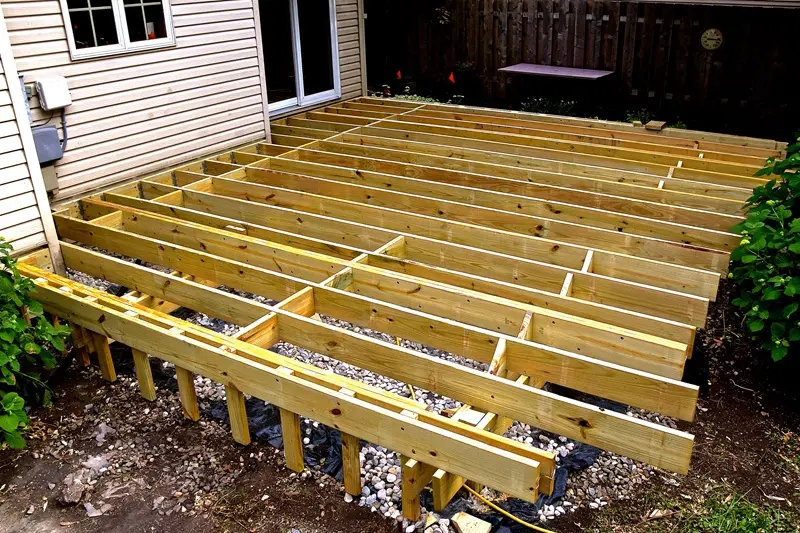
Why Deck Damage Gets Worse Faster Than You Think
Deck damage isn’t just cosmetic. Small problems often hide deeper issues, and they tend to spread quickly, especially in humid, unpredictable Northern Virginia weather. Here’s how minor wear turns into major repairs before you know it.
Moisture Makes Everything Worse
Once water seeps into a crack, it doesn’t stay put. Moisture spreads through wood grain, softens support beams, and invites mildew.
Even sealed decks in Arlington’s damp climate can absorb water over time, especially in shaded yards or after a rough winter.
Rot Travels Beyond The Surface
You may only see a few soft boards, but rot often starts underneath. If you ignore it, the decay moves from the top layer into the joists and beams that hold your deck together.
Once it spreads into the framing, you’re looking at full rebuild territory, not just patchwork repairs.
UV Damage Weakens Finish & Structure
Sunlight doesn’t just fade color; it breaks down the fibers that protect your wood. In Northern Virginia, summer UV exposure dries out sealants and opens the door for water and pests to move in.
Fading, splintering, and cracks are more than visual issues; they’re early signs your deck needs help.
What looks like a small issue today could be structural next season. That’s why Arlington homeowners who act early stay ahead of costly deck failures and get to enjoy their space longer.
Fix It Early, Enjoy It Longer
A solid deck is one of the best parts of homeownership, but it only stays that way with a little attention. Small repairs done early can prevent expensive replacements down the road. This is especially true in places like Arlington VA, where the weather wears on wood year-round.
At Heiston Group, we help homeowners across Northern Virginia spot damage before it spreads. Whether it’s a loose board, soft post, or fading finish, we’re here to keep your deck safe, strong, and looking its best through every season.
If your deck could use a second look or a fresh start, we’re ready when you are. Let Heiston Group, your expert deck builder, help you fix it right and enjoy it longer.